
When Missionary Kids Navigate their Passport Culture
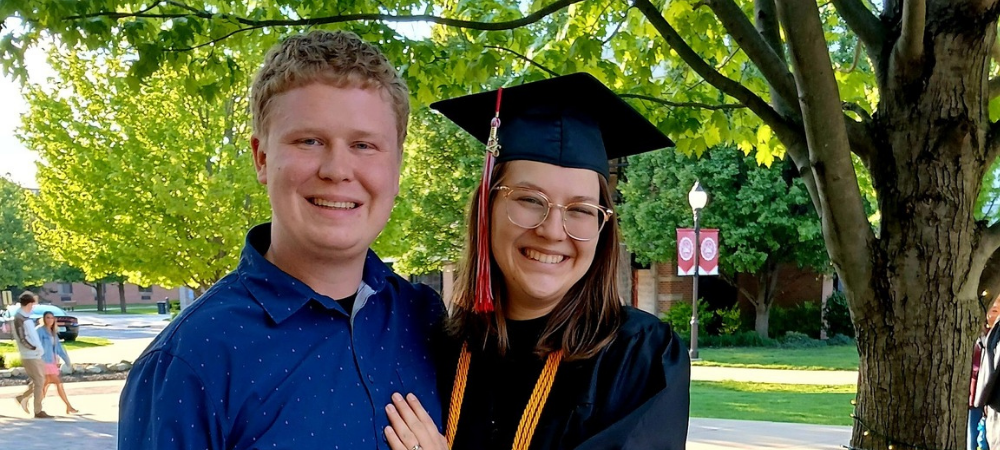
Two weeks into her freshman year of university, our oldest daughter Micah called us in tears. “I can’t do this. It is so hard. I definitely can’t do this for four years. I am so lonely.”
Micah grew up in Nicaragua, in Spanish speaking schools with Nicaraguan teachers, classmates and coaches. She had experienced a lot of the beauty of being on the mission field: churches opening, teams joining us and kids getting sponsored. Micah also experienced the hardships: multiple tropical diseases, hurricanes, earthquakes, floods, poverty and tragic deaths, a civil uprising and the pandemic in a country cut-off from flights for half a year. Like most missionary kids, she didn’t show up to university shaped by the same experiences that many of her peers did. Micah was far from her pets, her home, her family and all her Nicaraguan friends.
Micah persevered. She worked and studied hard. She made friends and got involved in the International Student Association and English Connection. Micah met the love of her life, her husband, Tim. Four years later, she not only graduated but she graduated Summa Cum Laude and Valedictorian. Micah doesn’t give up. She gives her all and she knows how to lead. We are so proud of her for overcoming so much.
-Excerpt from Ryan and Sarah Schmitz’s newsletter (GP missionaries in Nicaragua)
Mary Beth Bagley, Global Partners’ missionary kid care specialist, notes that the transition to life after high school can be challenging for anyone but is often even more so for missionary kids (MKs) or third culture kids (TCKs are kids who spend most of their developmental years in a culture outside of their parents’ home culture).
Not only are these MKs navigating life as an independent young adult, Mary Beth said most adult MKs are also saying goodbye to life as they know it as they adjust to their passport culture where they have minimal knowledge or experience. There might be excitement for new experiences, but there’s a lot to grieve, too.
“They exchange the feeling of being known for the feeling of being a foreigner, and the feeling of knowing how the world around them works to feeling like a fish completely out of water,” Mary Beth said.
In her role, Mary Beth works to provide these adult MKs with support through things like regular notes and care packages, opportunities to connect with other adult MKs (meals and retreats), meeting with them one-on-one and by connecting them with practical resources.
This work which she feels so strongly about stems from her own experience as an MK trying to navigate her passport country as an adult, and from knowing other MKs who have significantly struggled with their mental and/or spiritual health.
“Recent research by TCK Training found that about one in every five MKs is at a high risk of developing mental health challenges in adulthood,” Mary Beth said. “Fortunately, with appropriate support, this risk can be significantly reduced. As such, I hope to be the person I wish I had had when I was growing up.”
This year, four Global Partners MKs are graduating from high school (including Micah’s sister) and nine have just graduated from university. As this group prepares for “what’s next,” would you please join us in praying for them throughout the summer and beyond? In addition, you can reach out to an MK you know with extra encouragement on June 28th, which is International TCK Day!
Please consider the following as you pray:
- Pray they would grieve well for the life and friends they leave behind.
- Pray they would make the Lord their anchor through the many changes and adjustments ahead.
- Pray that the Lord would provide them with healthy friendships and communities where they can find a sense of belonging, and good adult mentors who can guide and support them in this season.
- Pray that the Lord would reveal His good plans and purpose for their lives and that they would have the confidence and trust to follow however He leads.
- Pray that they would see their cross-cultural childhood as a beautiful gift that can be shared for the benefit of others.