
During Ramadan, He Wants to be Found
Our family serves with Global Partners in a country where 99% of citizens identify as Muslim. With the lunar calendar used in Islam, the inescapable “reality of Ramadan” will once again come 11 days earlier this year (February 18 – March 19). The “Ramadan reality” comes to us in many forms: the drummer on the streets who wakes everyone up so they can eat before sunrise; businesses that close or operate different hours; gyms that are empty during the day and open late to accommodate those fasting; lights that adorn the mosques.
Some spiritual realities also hit: people are “hangrier,” more tired and less patient; many who don’t regularly pray namaz get serious for a time and fast. Meanwhile, we also pray more, as the usual darkness and heaviness—and opportunity—increase, because many Muslims deeply desire to live rightly before “Allah” and strive in the pathways they know (fasting, asceticism and prayer) to earn His love.
Another common experience during Ramadan is iftar: breaking the fast with a special meal. People suffer through the last bit of traffic just before arriving where they will eat. Then a stillness descends on the streets. Everyone’s inside, ready to enjoy the special meal. They may stay up late, and that’s okay —they probably slept some during the day. Now it’s time to party.
The thing is, we have a party to invite people to—the feast of the Kingdom of God is available!
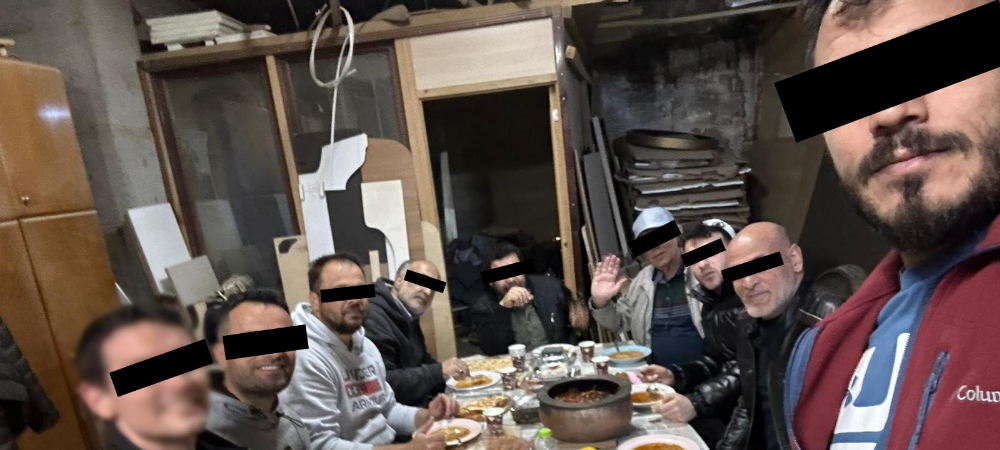
Three years ago, I was invited to an iftar meal with some of my students and other staff from their sports complex. Surrounding a large workshop table with newspaper as the tablecloth, nine men sat — coaches and instructors of various kinds and others lucky enough to be invited (like me). It was almost time to eat.
All was ready, and the call to prayer would sound within minutes. Having just met some of the men, I shyly asked permission to say a blessing from Scripture. “Of course,” they said. (You can hardly refuse a guest’s request.) Their curiosity now piqued, I stood.
As I read to them the words of Jeremiah 29:11-14, my shaky voice grew bolder. (Many Christians know verse 11, about God’s good plans to give “hope and a future.” This message came early in Israel’s 70-year exile to Babylon, also confirming that the exile—a lifetime of testing—was going to happen.) Verses 12-14 indicate so much of God’s heart—not just for Israel then, but throughout history and for all those feeling lost or captive:
“You will call on Me, come and pray to Me, and I will listen to you.”
“You will seek Me and find Me when you seek Me with all your heart.”
“I will be found by you,” declares the Lord, “and bring you back from captivity.”
These words, spoken to captives long ago, may also speak to us today. Most Muslims I know (and many others) are captive to fear, hopelessness, shame or other shackles. The good news is that God who spoke then is still calling out today: “Seek Me with your whole heart, no holding back. You will find Me.” Expressing this as best I could in their language, I told the men around the table that this was my prayer for them, and sat down.
The large room was almost void of sound. Then one of my students spoke, “Wow, teacher… here you are, the only non-Muslim, and yet you came prepared with the blessing…thank you.”
We know the source of blessing. Will you join us in praying for our Muslim friends and neighbors this Ramadan? Many so badly want to be right with God. Let’s bless them and ask that they will find Him, in the face of Jesus.
————————————————–
We encourage you to use these resources and join us in praying for Muslims during Ramadan:
- pray30days.org
- “Ramadan Prayer Guide” on the YouVersion Bible app
- gponline.org/praying-during-ramadan